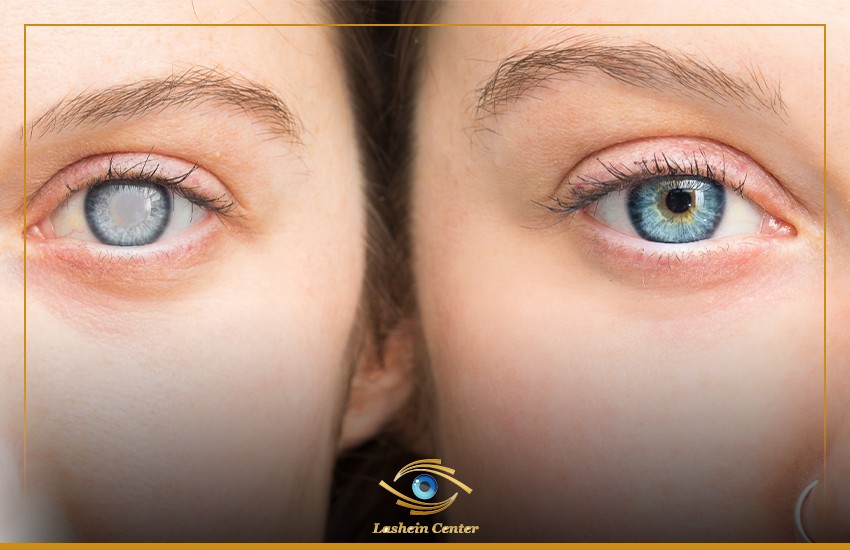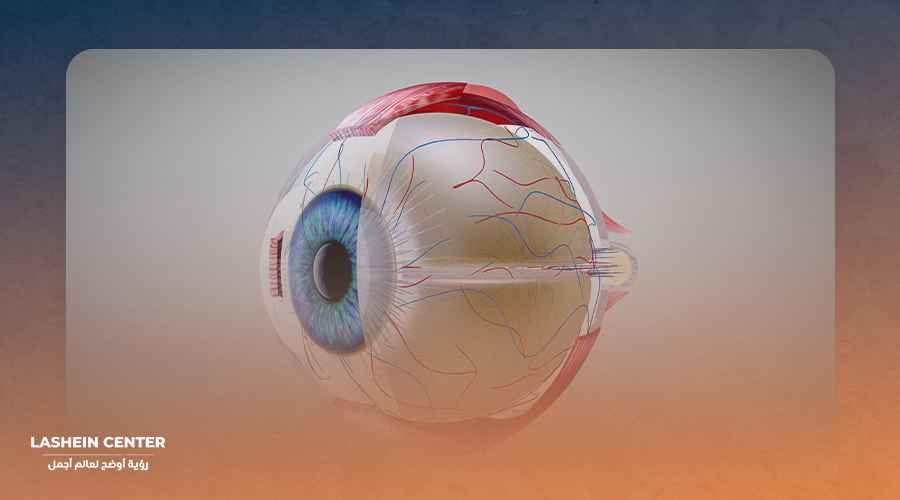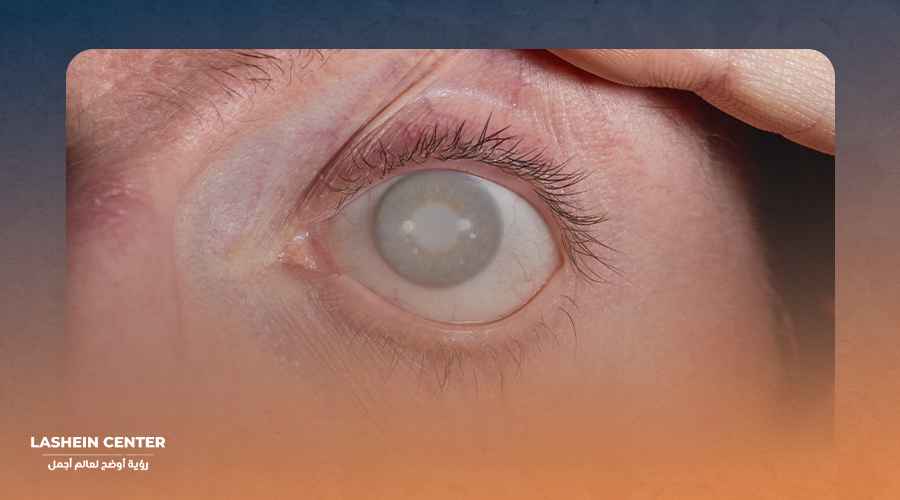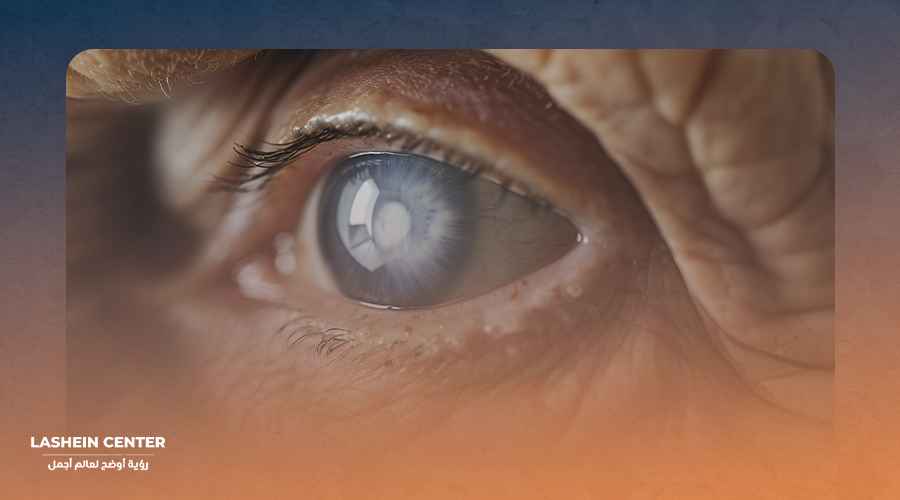
Cataracts, also known as clouding of the eye’s lens, occur when the natural lens of the eye becomes opaque instead of clear. This condition is similar to a fog covering the lens, which blocks light from passing through properly and leads to blurred vision.
Causes of Cataracts:
-
Aging: The most common cause, as the eye’s lens becomes more susceptible to changes over time.
-
Genetic factors: The risk may increase if there is a family history of cataracts.
-
Certain medical conditions: Such as diabetes, high blood pressure, and obesity.
-
Excessive exposure to sunlight: Prolonged exposure to harmful ultraviolet (UV) rays can damage the eye’s lens.
-
Eye injuries: Trauma to the eye can lead to cataract formation.
-
Use of certain medications: Such as corticosteroids.
Symptoms of Cataracts:
-
Blurred or cloudy vision, especially noticeable at night or while driving.
-
Sensitivity to light and discomfort with bright lights.
-
Poor night vision and difficulty seeing in low-light conditions.
-
Double vision or seeing more than one image of the same object.
-
Changes in color perception, where colors may appear faded or less vivid.
Cataract Treatment:
There is no medical (drug) treatment for cataracts. The only effective treatment is surgery to remove the cloudy lens and replace it with an artificial one.
Cataract Treatment with Lens Implantation: Restoring Vision for a New Life
How Does Lens Implantation Help Treat Cataracts?
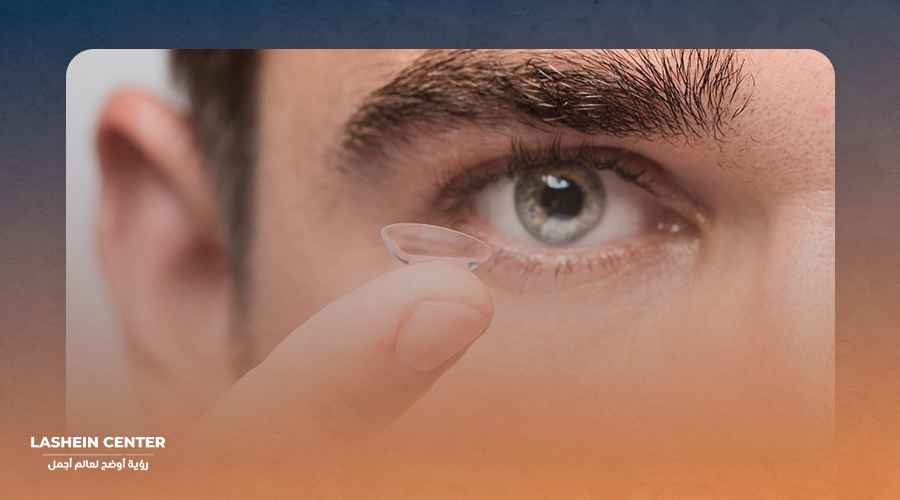
Lens implantation is the most common method for treating cataracts. During this procedure, the cloudy natural lens is removed and replaced with an artificial intraocular lens.
Types of Intraocular Lenses:
-
Monofocal lenses: Correct distance vision only and may require glasses for near vision or reading.
-
Multifocal lenses: Correct both near and distance vision, reducing dependence on glasses.
-
Customized lenses: Designed to meet each patient’s specific needs, such as correcting astigmatism or other visual distortions.
Benefits of Lens Implantation:
-
Significant improvement in vision
-
Elimination of cataract symptoms such as cloudiness and blurring
-
Reduced dependence on glasses
-
Improved quality of life
Who Are Candidates for Lens Implantation?
-
Patients with advanced cataracts
-
Individuals who wish to reduce or eliminate the need for glasses
-
Patients with other vision problems such as nearsightedness or farsightedness
What Are the Steps of Lens Implantation Surgery?
At Lasheen Eye Center, comprehensive eye examinations are performed first to determine the most suitable lens. Local anesthesia is then administered, the cloudy natural lens is removed, and the artificial lens is implanted. The patient is monitored after surgery and followed up until discharge from the center once healing is confirmed, with emphasis on following medical instructions and attending weekly follow-up visits.
Recovery Period After Lens Implantation Surgery:
Recovery usually takes from a few days to a few weeks. The patient may experience mild discomfort in the first few days, but following the doctor’s instructions carefully is essential to achieve the best results.
Can Cataracts Be Treated Without Lens Implantation?
There is no effective treatment for cataracts without removing the cloudy lens.