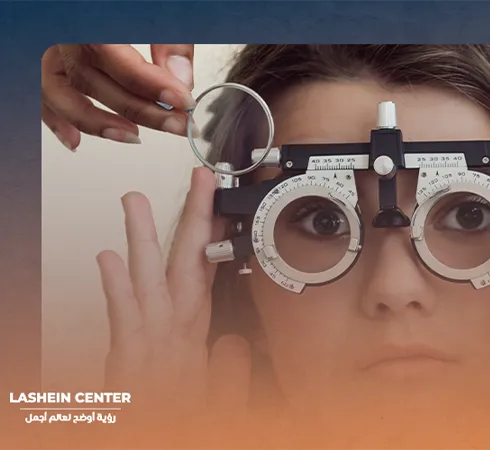
Symptoms of vision impairment may seem to some to be simply a problem with blurred vision, but in reality, they can be an indicator of deeper health problems, especially when vision impairment is accompanied by headaches, dizziness, or even symptoms affecting the head. This can significantly impact your daily life. Because vision impairment is a problem that worsens gradually, many people ask the important question: Does vision impairment cause blindness?
In this article, we will explore the symptoms of vision impairment in detail, including mild vision impairment, as well as the causes of sudden vision impairment, the causes of vision impairment in young people, methods for vision testing, and the best doctors for vision impairment treatment in Egypt, to ensure accurate diagnosis and appropriate treatment. Just keep reading to the end.
Symptoms of Vision Impairment
The symptoms of vision impairment vary from mild cases that slightly affect visual clarity to severe cases that can hinder daily activities such as reading or driving. Symptoms may appear gradually or suddenly, and the most prominent symptoms include:
Difficulty reading and distinguishing faces and fine details.
Difficulty seeing while driving, especially at night.
Reduced ability to see or distinguish colors.
Appearance of black spots in the field of vision.
Loss of peripheral vision (tunnel vision).
There are other symptoms of vision impairment that may appear depending on the cause. These include:
Excessive sensitivity to light.
Double vision or seeing flashes and floaters.
Halloops around lights.
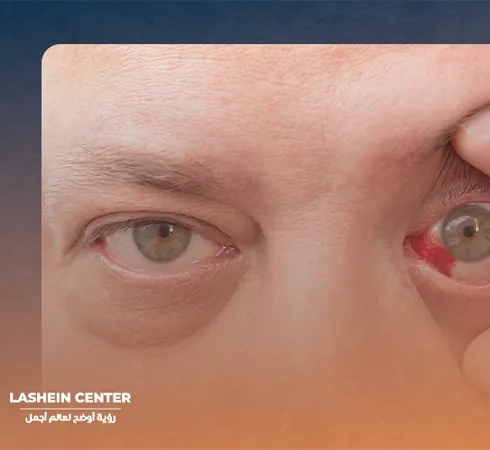
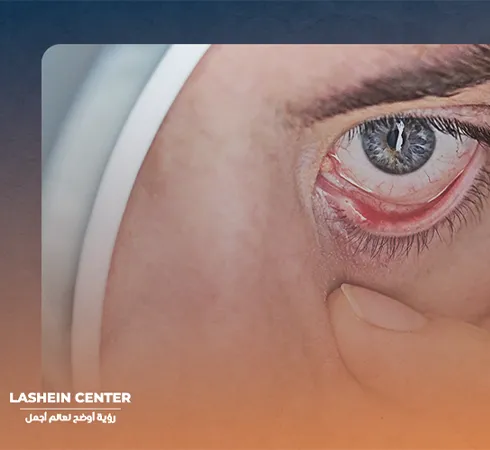
Redness or pain in the eye.
Persistent headaches.
Because vision impairment can be a symptom of a deeper eye problem or a general health issue, it is important not to ignore symptoms, no matter how minor they may seem. Book an appointment with Dr. Mohamed Lashin, a vitreoretinal surgeon at Al Mashreq Eye Center. Dr. Lashin holds a Master of Medicine and Surgery in Ophthalmology, is a member of the Royal College of Surgeons of Edinburgh, England, and a Fellow of the International Council of Ophthalmology. This ensures accurate diagnosis and effective treatment to preserve your vision.
Symptoms of Vision Impairment and Headaches
Vision impairment can cause persistent headaches due to eye strain while trying to focus, especially when reading or using screens for extended periods. Symptoms of blurred vision and headaches often develop gradually, accompanied by blurred vision or a feeling of pressure around the eyes. The most common causes include:
Eye strain from prolonged use of electronic devices, which can tire the eyes even when the image is clear.
Presbyopia (farsightedness) or presbyopia (age-related farsightedness), where difficulty focusing on near objects leads to eye strain and frontal headaches.
Temporal arteritis, which can cause throbbing headaches with blurred vision due to reduced blood flow to the optic nerve.
Acute angle-closure glaucoma, a sudden increase in eye pressure that causes severe headaches, eye pain, and blurred vision.
Pseudotumor cerebri, which increases intracranial pressure and can compress the optic nerve, causing headaches and vision loss if left untreated.
Some types of headaches, such as migraines or cluster headaches, can also directly cause visual symptoms like halos around lights or pain around the eyes.
It is important to know that vision problems can worsen if left untreated, and frequent vision problems and headaches warrant a consultation with a specialist. Therefore, be sure to book a comprehensive examination with Dr. Mohamed Lashin to ensure an accurate diagnosis and appropriate treatment for your condition.
Symptoms of Vision Problems in the Head
Symptoms of vision problems in the head include a feeling of pressure or heaviness in the front of the head or around the eyes. This often occurs as a result of persistent visual strain, frequently associated with eye strain caused by uncorrected vision problems or prolonged use of digital devices. This pressure can worsen over time, potentially affecting concentration and increasing daily discomfort.
Symptoms of Vision Problems and Dizziness
There is always a strong connection between vision problems and dizziness. Vision problems such as blurred vision, weak eye muscles, or using incorrectly prescribed glasses can lead to visual strain that affects balance and causes dizziness. These conditions strain the visual system, leading to a disruption in communication between the eyes, the brain, and the vestibular system responsible for balance. Therefore, neglecting these symptoms can exacerbate the problem and negatively impact quality of life.
Symptoms of Mild Vision Impairment
Symptoms of mild vision impairment usually begin with a slight decrease in visual clarity. You may find it difficult to distinguish fine details or read from a distance without strong corrective lenses. This may be accompanied by eye strain, frequent headaches, and a feeling of fatigue after prolonged eye use, especially when focusing on phones or digital devices. Although these symptoms may seem minor at first, they can worsen over time and affect your daily life if not treated properly.
Therefore, if you are experiencing symptoms of vision impairment, do not hesitate to consult Dr. Mohamed Lashin for a comprehensive evaluation and personalized treatment to ensure the preservation of your eye health and clear vision.
Causes of Sudden Vision Impairment
Sudden vision impairment can be a worrying experience and an indication of a health problem that requires immediate evaluation. The causes of this condition vary from simple issues to those that necessitate prompt medical intervention. The most prominent causes of sudden vision impairment include:
Eye strain: Reading or using screens for extended periods can cause temporary blurred vision.
Eye infections: Such as keratitis or conjunctivitis, which affect visual clarity.
Intraocular bleeding: Medically known as hydatidiform mole, it often results from an injury or acute infection.
Optic neuritis: This leads to sudden vision loss and eye pain.
Retinal detachment: An emergency condition that occurs when the light-sensitive layer of the retina separates from the blood vessels.
Stroke or concussion: These affect visual acuity due to brain involvement.
Age-related macular degeneration: This affects the retina as the eye ages.