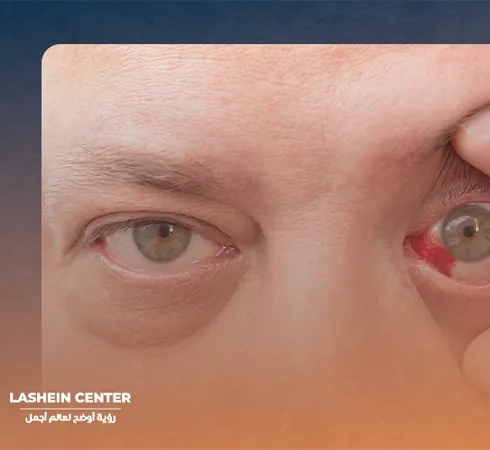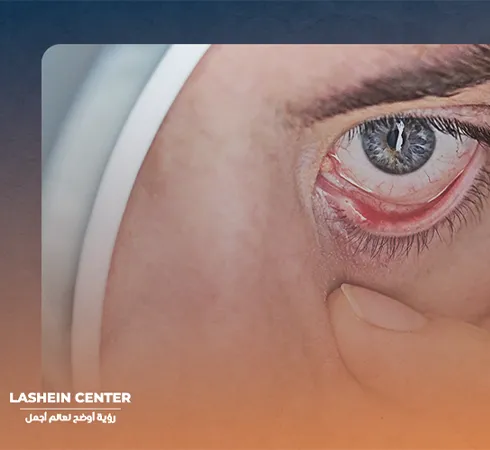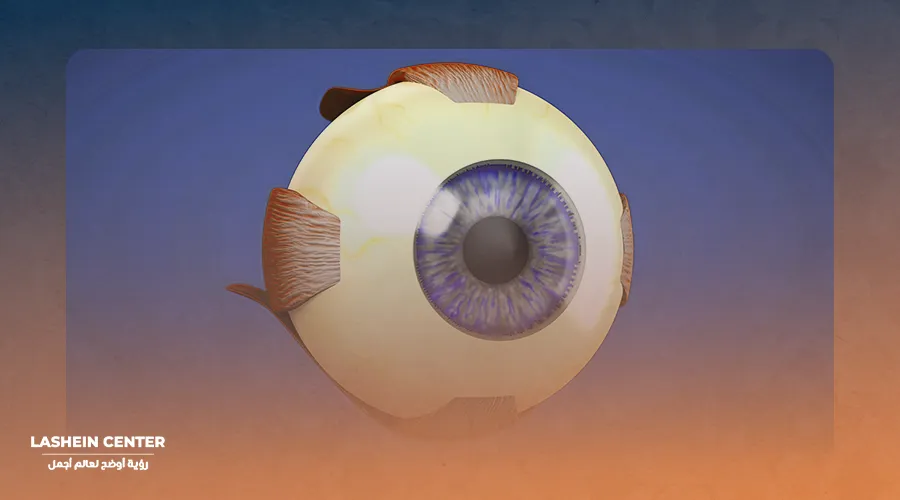
The primary function of the eye's lens is to allow light to pass through it and to help refract and focus it onto a single point on the retina. However, the eye's lens can develop a condition known as cataracts, where part of the lens becomes cloudy and opaque, preventing light from passing through and instead scattering light rays. This severely affects a patient's vision and can lead to many other problems. To understand cataracts, we must first understand their causes.
Therefore, in this article, we will discuss in detail the causes of cataracts, including those in young adults and children. We will also cover cataract treatment and prevention methods. This discussion will be led by Dr. Mohamed Lashin, a specialist in cataract surgery, a vitreoretinal surgeon at Al Mashreq Eye Center, a cataract and vision correction surgeon, a Fellow of the International Council of Ophthalmology, and a member of the Royal College of Surgeons of England. Continue reading this article.
So, please continue reading. Discover the causes of cataracts - Book an appointment and protect your vision now!
Contact us
WhatsApp
Cataract Causes
Regarding the causes of cataracts, there are several direct causes and many factors that increase the risk. These include:
Aging
The most common cause of cataracts is aging. As we age, the eye's lens loses its elasticity, and its proteins gradually break down and accumulate. This leads to clouding of the lens and a blockage of light, known as cataracts. It's important to note that not all older adults develop cataracts, but the risk increases significantly with age.
Cataracts in Children
When discussing the causes of cataracts, it's essential to address cataracts in children. While cataracts are more commonly associated with older adults, they can also affect children. A child may be born with cataracts because the eye's lens doesn't develop correctly during fetal development. This is often due to chromosomal abnormalities such as Down syndrome, or it may be caused by genetic factors, such as a parent having the condition. Additionally, acquired cataracts in children can result from:
Direct eye injuries.
Diabetes.
Complications from other eye conditions.
Steroid use.
Radiation therapy.
However, it's important to note that in some cases, a specific and definitive cause for cataracts in children remains unidentified.
Causes of Cataracts in Young People
As mentioned, the most common cause of cataracts is aging. However, there are also causes of cataracts in young people, including:
Environmental Factors
These are among the most common causes of cataracts in young people. Harmful environmental factors increase free radicals in the body, and these molecules can damage healthy cells in the eye's lens, increasing the risk of developing cataracts. Harmful environmental factors include:
Air pollution.
Smoking and alcohol consumption.
Industrial chemicals.
Pesticides.
Prolonged exposure to ultraviolet (UV) radiation.
Radiation therapy to the upper body.
Medical Factors
Several medical or health factors can also cause cataracts in young people. These factors affect the health of the eye's lens and significantly increase the risk of developing cataracts. These factors include:
Diabetes or high blood pressure.
Undergoing eye surgeries, such as glaucoma surgery.
Prolonged use of steroids, commonly used to treat chronic conditions like rheumatoid arthritis.
Certain eye conditions, such as iritis (inflammation of the iris).
Eye injuries
Direct eye injuries increase the risk of developing cataracts. These injuries are a common cause of cataracts in both children and young adults. Therefore, avoiding direct eye injuries can protect against many eye problems.
Genetic factors
Having a parent with cataracts increases the risk of developing them, whether in childhood or later in life. Additionally, certain genetic variations can make a person more susceptible to environmental factors.
Considering all of the above, there are many causes of cataracts. However, the exact cause of cataracts is unknown. All of the above factors significantly increase the risk of developing cataracts. In other words, none of the above constitutes definitive proof of cataracts, but they do significantly increase the likelihood of developing them.
Cataract Treatment
After learning about the causes of cataracts, let's discuss their treatment. The only definitive treatment for this condition is surgery. During the procedure, the surgeon replaces the damaged lens with a healthy artificial lens. After cataract surgery, vision gradually improves, and the problems the patient was experiencing gradually disappear. There are several surgical techniques available, but Dr. Mahmoud Hassan utilizes the best and most advanced methods. The procedure is performed by following these steps:
Y