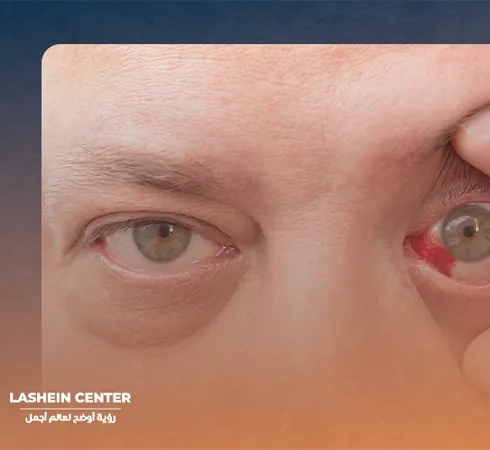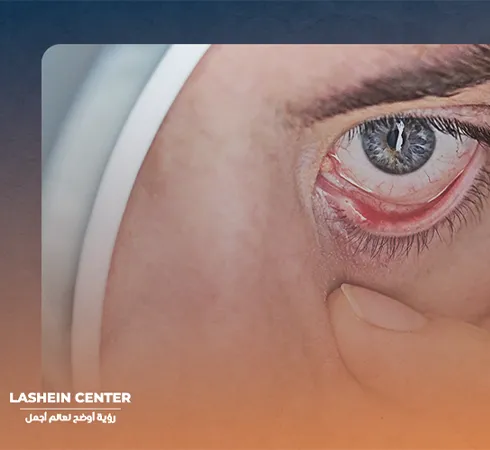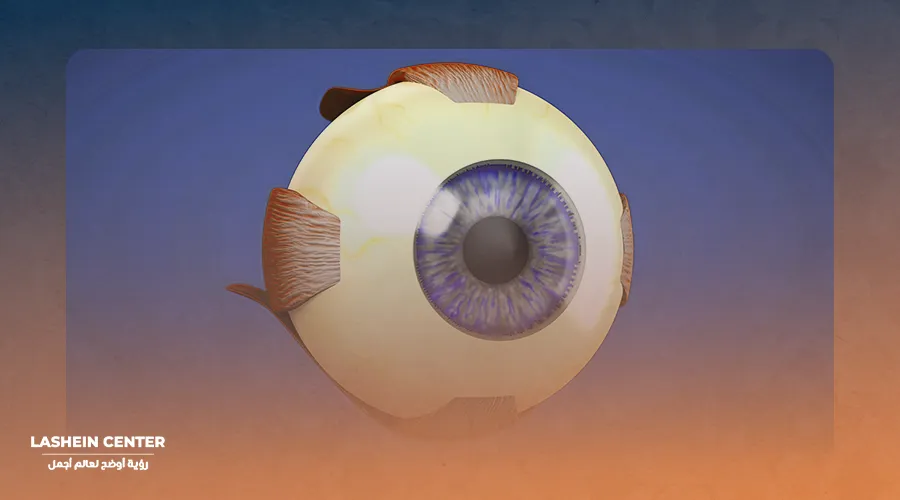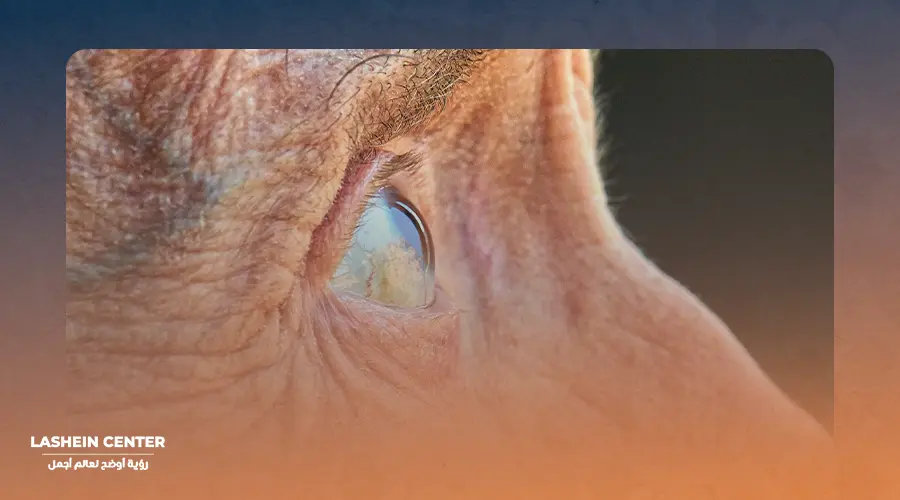
تُعد عملية المياه البيضاء في العين من أكثر جراحات العيون شيوعًا لعلاج عتامة عدسة العين التي تسبب تشوش الرؤية، الزغللة، ضعف وضوح الألوان، وصعوبة الرؤية أثناء القراءة أو القيادة.
وتعتمد العملية على إزالة العدسة الطبيعية المعتمة واستبدالها بعدسة صناعية شفافة تساعد الضوء على المرور بشكل أفضل إلى الشبكية، مما يساهم في تحسين جودة الرؤية بعد العملية.
في هذا المقال يوضح لك د. محمد لاشين ما هي عملية المياه البيضاء في العين، ومتى يحتاج المريض إليها، وكيف تتم، وما الفرق بين الفاكو والفيمتو ليزر، وما أهم التعليمات قبل وبعد العملية.
ما هي عملية المياه البيضاء في العين؟
عملية المياه البيضاء هي إجراء جراحي يتم فيه إزالة العدسة الطبيعية المعتمة داخل العين، ثم زراعة عدسة صناعية شفافة بدلًا منها لتحسين الرؤية.
وتُجرى العملية غالبًا تحت تأثير التخدير الموضعي، ولا تحتاج في أغلب الحالات إلى تخدير كلي، ويحدد الطبيب التقنية المناسبة حسب درجة المياه البيضاء، حالة القرنية، الشبكية، العصب البصري، واحتياجات المريض البصرية.
ما هي المياه البيضاء في العين؟
اليك اهم النقاط في المياه البيضاء في العين
- المياه البيضاء هي عتامة تصيب عدسة العين الطبيعية.
- العدسة الطبيعية تكون شفافة في الوضع الطبيعي.
- عند حدوث العتامة، يقل مرور الضوء بشكل واضح.
- النتيجة: زغللة، ضبابية، ضعف رؤية، تغير في الألوان.
كيف تتكون المياه البيضاء؟
قبل الحديث عن ماهي عملية المياه البيضاء في العين؟ أو عملية المياه البيضاء في العين بالليزر، دعنا في البداية نلقي نظرة فاحصة على مرض المياه البيضاء وكيف يتكون هذا المرض المزعج وكيف يؤثر على حياة الشخص بشدة؟ وبدايةً مرض المياه البيضاء هو عتامة عدسة العين، فعدسة العين في الشخص الطبيعي يجب أن تكون شفافة لكي يمر الضوء من خلالها ليصل إلى شبكية العين، كما أن عدسة العين تعمل على كسر الضوء ليسقط على نقطة واحدة على شبكية العين لكي يرى الشخص صورة حادة وواضحة دون تشويش، كما أن عدسة العين مرنة، وذلك من أجل تركيز الضوء بالطريقة المناسبة لكي يرى الشخص بوضوح على مسافات مختلفة.
وتقع عدسة العين وراء الجزء الملون في العين الذي يُعرف بقزحية العين، ومع التقدم في العمر تفقد عدسة العين مرونتها، كما تُصبح أكثر سماكة وأقل شفافية؛ مما يؤثر على مرور الضوء من خلالها، وبالإضافة إلى التقدم في العمر فإنه توجد بعض المشكلات الصحية الأخرى التي تؤثر على عدسة العين، والتي تؤدي إلى تكسر البروتينات والألياف الموجودة في عدسة العين، كما أنها تؤدي إلى تراكمها داخل العدسة، وهذا ينتج عنه أن العدسة تُصبح ضبابية أو أقل في الشفافية.
وتبدأ المياه البيضاء بتغير قوة العدسة و تغير مقاسات النظارة أو تظهر كعتامة صغيرة، ومع مرور الوقت من الممكن أن تزداد المشكلة سوءًا، وتؤثر المياه البيضاء على مساحة أكبر من العدسة؛ مما يسبب تشتت الضوء وعدم تركيزه بشكل صحيح على شبكية العين، كما أنها تمنع مرور بعض أشعة الضوء كذلك، وهذا كله يؤدي إلى عدم الحصول على صورة واضحة؛ وهذه الظاهرة تؤدي في النهاية إلى ضبابية الرؤية وصعوبة التمييز بين الأشياء.
وتجدر الإشارة إلى أنه في الغالب يُصاب الشخص بالمياه البيضاء في كلتا العينين في نفس الوقت، ولكن ربما تُصاب عين واحدة بهذا المرض، كما تجدر الإشارة إلى أن معدل نمو وتطور المياه البيضاء لا يكون متماثلا في كلتا العينين، وهذا يؤدي إلى اختلاف حدة الرؤية بين العينين، وفي الفقرة القادمة سوف نتعرف على إجابة سؤال ماهي عملية المياه البيضاء في العين؟ وأهم المعلومات المتعلقة بهذه الجراحة الهامة، والتي تعيد الأمل لمن يعانون من ضعف الرؤية أو ضبابية الرؤية الناتجة عن الإصابة بالمياه البيضاء.
من يحتاج إلى عملية المياه البيضاء؟
يحتاج المريض إلى عملية المياه البيضاء عندما تبدأ العتامة في التأثير على جودة حياته اليومية، مثل:
- صعوبة القراءة أو مشاهدة التلفزيون.
- ضعف الرؤية أثناء القيادة، خاصة ليلًا.
- زيادة الحساسية من الإضاءة.
- رؤية هالات حول مصادر الضوء.
- تغير مقاس النظارة بشكل متكرر.
- عدم تحسن الرؤية بالنظارة الطبية.
- وجود عتامة تمنع الطبيب من فحص الشبكية بوضوح.
علاج المياه البيضاء في العين – احجز استشارة مع أفضل دكتور عيون لتحديد العلاج المناسب لك.
هل يمكن علاج المياه البيضاء بدون عملية؟
لا يمكن إزالة المياه البيضاء نهائيًا بالقطرات أو الأدوية، لأن المشكلة تكون في عتامة عدسة العين نفسها.
قد تساعد النظارة أو الإضاءة الجيدة في المراحل البسيطة على تحسين الرؤية مؤقتًا، لكن عند تقدم الحالة وتأثيرها على النظر، تكون العملية هي الحل الأساسي لإزالة العدسة المعتمة وزراعة عدسة صناعية شفافة.
علامات فشل عملية المياه البيضاء – تابع طبيبك فورًا عند ظهور أي علامات غير طبيعية.
كيف تتم عملية المياه البيضاء في العين؟
تمر عملية المياه البيضاء بعدة خطوات أساسية:
الفحص قبل العملية
يقوم الطبيب بفحص العين بدقة لتقييم درجة المياه البيضاء، وحالة الشبكية والعصب البصري، وقياس ضغط العين.
قياس العدسة المناسبة
يتم عمل قياسات دقيقة لتحديد قوة العدسة الصناعية المناسبة التي سيتم زراعتها داخل العين.
تخدير العين
تُستخدم غالبًا قطرات مخدرة أو تخدير موضعي حتى لا يشعر المريض بألم أثناء العملية.
إزالة العدسة المعتمة
يتم تفتيت العدسة المصابة بالمياه البيضاء وسحبها من خلال فتحة دقيقة.
زراعة العدسة الصناعية
بعد إزالة العدسة المعتمة، يزرع الطبيب عدسة صناعية شفافة داخل العين لتحسين الرؤية.
ما هو الفرق بين المياه البيضاء والزرقاء في العين – تعرف على الفرق وخطط الوقاية مع دكتور متخصص.
أنواع عمليات المياه البيضاء في العين
عملية الفاكو للمياه البيضاء
تعتمد على تفتيت العدسة المعتمة باستخدام الموجات فوق الصوتية، ثم شفطها وزراعة عدسة صناعية. وتُعد من أكثر الطرق استخدامًا في جراحات المياه البيضاء الحديثة.
عملية المياه البيضاء بالفيمتو ليزر
يُستخدم الفيمتو ليزر في بعض خطوات العملية مثل عمل الفتحات الدقيقة وتقسيم العدسة، مما يساعد على زيادة الدقة في حالات معينة، ثم تُستكمل العملية بزراعة العدسة الصناعية.
الجراحة التقليدية للمياه البيضاء
قد تُستخدم في بعض الحالات المتقدمة أو عندما تكون المياه البيضاء شديدة الصلابة، ويحدد الطبيب مدى مناسبتها حسب حالة العين.
متى يستقر النظر بعد عملية المياه البيضاء؟ – اعرف جدول التعافي واحصل على متابعة دقيقة.
عملية المياه البيضاء بالليزر: متى تكون مناسبة وما مميزاتها؟
بعد التعرف على إجابة سؤال ما هي عملية المياه البيضاء في العين؟ وخطوات إجرائها، من المهم توضيح دور الليزر في هذه العملية؛ إذ تُعد عملية المياه البيضاء بالليزر، أو ما يُعرف بالفيمتو ليزر، من التقنيات المتقدمة المستخدمة في علاج عتامة عدسة العين. ففي الجراحة التقليدية يعتمد الطبيب على أدوات جراحية دقيقة لإجراء الشق الجراحي وفتح العدسة، بينما يتيح الفيمتو ليزر إجراء هذه الخطوات بدقة أعلى، مثل عمل الشق في القرنية وفتح محفظة العدسة وتفتيت العدسة المعتمة، مع تقليل التأثير على الأنسجة المحيطة. كما يمكن أن يساعد الليزر في علاج بعض مشكلات العين المصاحبة مثل الاستجماتيزم، ثم تُستكمل العملية باستخدام الموجات فوق الصوتية لإزالة بقايا العدسة وزراعة العدسة الصناعية المناسبة، مما يساهم في تحسين جودة الرؤية ورفع مستوى الأمان والدقة أثناء العملية.
افضل قطرة لعلاج المياه البيضاء – استشير طبيبك لاختيار القطرة الأنسب لك.
الفرق بين الفاكو والفيمتو ليزر في عملية المياه البيضاء
|
الفيمتو ليزر |
الفاكو |
وجه المقارنة |
|
ليزر في بعض خطوات العملية |
موجات فوق صوتية |
التقنية |
|
أعلى في بعض الحالات |
عالية |
الدقة |
|
مناسب لحالات مختارة |
مناسب لمعظم الحالات |
الاستخدام |
|
أعلى غالبًا |
أقل غالبًا |
التكلفة |
|
حسب حالة العين واحتياج المريض |
حسب تقييم الطبيب |
قرار الاختيار |
أنواع العدسات المستخدمة بعد إزالة المياه البيضاء
بعد إزالة المياه البيضاء، يتم زرع عدسة صناعية داخل العين، ويختلف نوع العدسة حسب حالة المريض واحتياجاته البصرية.
عدسات أحادية البؤرة
تساعد غالبًا على تحسين الرؤية لمسافة واحدة، مثل الرؤية البعيدة، وقد يحتاج المريض بعدها إلى نظارة للقراءة.
عدسات متعددة البؤر
قد تساعد على تحسين الرؤية لأكثر من مسافة، لكنها لا تناسب كل الحالات.
عدسات توريك لعلاج الاستجماتيزم
تُستخدم في الحالات التي تعاني من درجة معينة من الاستجماتيزم، ويحدد الطبيب مناسبتها بعد الفحوصات.
مدة عملية المياه البيضاء في العين
تستغرق عملية المياه البيضاء عادة وقتًا قصيرًا داخل غرفة العمليات، لكن المريض يحتاج إلى وقت إضافي قبل وبعد العملية للتحضير والمتابعة.
وتختلف مدة العملية حسب درجة المياه البيضاء، التقنية المستخدمة، وحالة العين العامة.
مدة عملية المياه البيضاء – اكتشف المدة الفعلية للعملية واحجز تقييمك المبكر.
هل عملية المياه البيضاء مؤلمة؟
عملية المياه البيضاء لا تكون مؤلمة في أغلب الحالات، لأنها تتم تحت تأثير التخدير الموضعي. قد يشعر المريض بضغط بسيط أو حركة ضوء أثناء العملية، لكن دون ألم واضح.
نسبة نجاح عملية المياه البيضاء – اكتشف فرص نجاح العملية مع أفضل الجراحين.
التعافي بعد عملية المياه البيضاء
بعد العملية، يحتاج المريض إلى الالتزام بتعليمات الطبيب واستخدام القطرات الموصوفة في مواعيدها.
وقد تتحسن الرؤية تدريجيًا خلال الأيام الأولى، مع ضرورة تجنب فرك العين، دخول الماء أو الأتربة، حمل أشياء ثقيلة، أو إهمال المتابعة الطبية.
تعليمات بعد عملية المياه البيضاء
اليك اهم تعليمات المياه البضاء تابع ما يلي :
- استخدام القطرات كما يصف الطبيب.
- تجنب فرك العين.
- ارتداء واقي العين إذا طلب الطبيب ذلك.
- الابتعاد عن الأتربة والدخان.
- عدم قيادة السيارة إلا بعد موافقة الطبيب.
- الالتزام بزيارات المتابعة.
- التواصل مع الطبيب عند الشعور بألم شديد أو انخفاض مفاجئ في الرؤية.
هل تعود المياه البيضاء بعد العملية؟
لا تعود المياه البيضاء نفسها بعد إزالة العدسة الطبيعية المعتمة، لأن العدسة يتم استبدالها بعدسة صناعية.
لكن في بعض الحالات قد يحدث تعتيم خلف العدسة الصناعية بعد فترة، ويُعرف أحيانًا باسم عتامة المحفظة الخلفية، ويمكن علاجه بإجراء ليزر بسيط يحدده الطبيب عند الحاجة.
ماهي اعراض المياه البيضاء في العين؟ – راقب الأعراض المبكرة وحجز الكشف المبكر.
ما مخاطر عملية المياه البيضاء؟
عملية المياه البيضاء من العمليات الشائعة والآمنة في أغلب الحالات، لكن مثل أي تدخل جراحي قد توجد بعض المضاعفات النادرة، مثل:
- التهاب العين.
- ارتفاع ضغط العين.
- تورم مؤقت.
- زغللة بعد العملية.
- تحرك العدسة في حالات نادرة.
- مشاكل بالشبكية عند بعض المرضى.
لذلك يجب اختيار طبيب متخصص والالتزام بالمتابعة بعد العملية.
اسباب المياه البيضاء في العين – اعرف الأسباب واحمي عينك بالفحص الدوري.
متى يجب زيارة الطبيب بعد العملية فورًا؟
يجب التواصل مع الطبيب عند ظهور أي من العلامات التالية:
- ألم شديد لا يتحسن.
- احمرار شديد.
- ضعف مفاجئ في الرؤية.
- إفرازات من العين.
- ومضات ضوئية أو أجسام طافية بشكل مفاجئ.
- حساسية شديدة من الضوء.
ماذا يفعل المريض بعد عملية المياه البيضاء؟ – اتبع تعليمات الطبيب لضمان التعافي السريع.
لماذا تختار د. محمد لاشين لإجراء عملية المياه البيضاء؟
يتمتع د. محمد لاشين بخبرة في جراحات المياه البيضاء وتصحيح الإبصار، مع تقييم دقيق لحالة العين قبل العملية لتحديد التقنية ونوع العدسة المناسب لكل مريض.
ويعتمد اختيار طريقة العملية على فحص شامل للعين، ودرجة العتامة، وحالة الشبكية والعصب البصري، واحتياجات المريض اليومية من الرؤية.
استعيد رؤيتك بوضوح مع أحدث تقنيات عمليات المياه البيضاء.
في النهاية،
عملية المياه البيضاء في العين هي إجراء جراحي يهدف إلى إزالة العدسة المعتمة واستبدالها بعدسة صناعية شفافة لتحسين الرؤية.
ولا يتم اختيار نوع العملية أو العدسة بشكل عشوائي، بل بعد فحص دقيق يحدد درجة المياه البيضاء وحالة العين واحتياجات المريض. لذلك، إذا كنت تعاني من زغللة أو ضعف تدريجي في النظر، فاستشارة طبيب عيون متخصص هي الخطوة الأهم لتحديد أنسب علاج.
للتواصل مع
الدكتور محمد لاشين - استشاري طب وجراحة العيون بمركز لاشين وجراح الشبكية والجسم الزجاجي بمركزلاشين للعيون، جراح المياه البيضاء وتصحيح الإبصار - لتتعرفوا على كافة التفاصيل الخاصة بعملية المياه البيضاء.
الأسئلة الشائعة
هل عملية المياه البيضاء خطيرة؟
تُعد من العمليات الشائعة والآمنة في أغلب الحالات، لكن نجاحها يعتمد على فحص العين جيدًا، اختيار التقنية المناسبة، والالتزام بتعليمات الطبيب بعد العملية.
هل يمكن علاج المياه البيضاء بالقطرة؟
لا توجد قطرة تزيل المياه البيضاء نهائيًا، لأن العلاج الفعلي يكون بإزالة العدسة المعتمة وزراعة عدسة صناعية عند تأثير الحالة على الرؤية.
هل يحتاج المريض إلى نظارة بعد عملية المياه البيضاء؟
قد يحتاج بعض المرضى إلى نظارة بعد العملية، خاصة للقراءة، حسب نوع العدسة المزروعة وحالة العين قبل العملية.
متى تتحسن الرؤية بعد عملية المياه البيضاء؟
تتحسن الرؤية تدريجيًا بعد العملية، وقد يلاحظ المريض فرقًا خلال الأيام الأولى، لكن ثبات الرؤية النهائي يختلف حسب حالة العين وتعليمات الطبيب.
هل تعود المياه البيضاء مرة أخرى بعد العملية؟
المياه البيضاء نفسها لا تعود بعد إزالة العدسة الطبيعية، لكن قد يحدث تعتيم خلف العدسة الصناعية في بعض الحالات، ويمكن علاجه بالليزر عند الحاجة.
هل عملية المياه البيضاء تتم في العينين معًا؟
غالبًا يتم إجراء العملية لكل عين في وقت منفصل، ويحدد الطبيب الفترة المناسبة بين العمليتين حسب حالة المريض.